Bluetooth is a piece of technology that has been used for a while, especially since it has had a large impact on today's generations. The standard has existed for decades as time has moved on, especially with the development of various devices and accessories, meaning that most individuals would know about how Bluetooth works. Despite this, there are various factors that said individuals might not be fully aware of, since they appear to not be brought up as often. For instance, its name might seem simplistic and unreasonable given its function, however, it has a surprising origin.
History

The term dates back to the year 910/911 AD, which marked the birth of Harald Gormsson in Denmark. Gormsson was known for being the king of Denmark at the time and uniting his country and Norway in 958 AD. Additionally, he was known for his dead tooth, which was a greyish/dark blue color, which led to Gormsson earning the nickname "Bluetooth."

The Bluetooth logo also has origins in history, as it is a "superimposition of the Nordic runes for the letters H and B," which also represent Gormsson's first name and nickname respectively.
In 1996, the word "Bluetooth" was first suggested as a temporary code name for the technology by Jim Kardach, a representative from American manufacturer Intel, in a meeting between the former, Ericsson, and Nokia. The three "industry leaders" had met to discuss plans for short-range radio technology, in addition to potential forms of collaboration between the companies in terms of different products and industries.

The creator of the Bluetooth technology is known by many to be Dutch inventor Jaap C. Haartsen, who was working at Ericsson at the time. Haartsen, along with his colleagues, worked together to find a way to allow mobile devices to receive short-range radio connections.
He was familiar with the technology, especially since he worked on wireless headsets as far back as 1989.
Haartsen was also involved in the creation of the Bluetooth Special Interest Group and obtaining regulatory approval for Bluetooth worldwide.
Positive & Negative Impacts
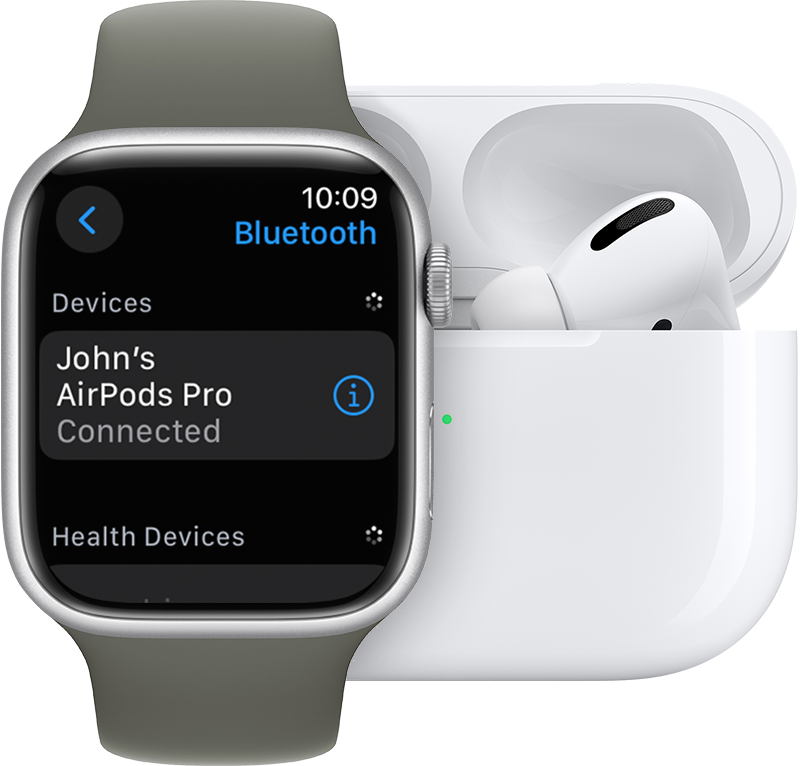
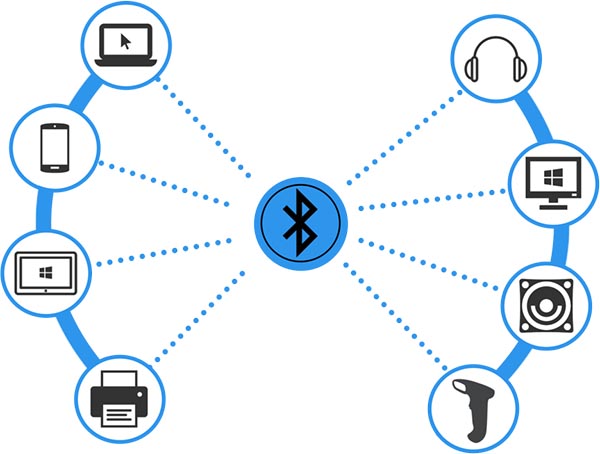
As previously mentioned, Bluetooth has had a large impact on society as a whole, especially with the creation of various devices and accessories that make use of the standard. For example, various earbuds, speakers, computers, video game consoles, smartwatches, and even medical equipment all support Bluetooth in one way or another.

 Other major examples of Bluetooth's positive impact include being able to transfer data between devices without the use of the internet, the quick transfer of large files, and avoiding the interception of data during the transfer process.






No comments:
Post a Comment