
The internet has become prevalent over the last few decades thanks to the rise of computers, phones, and other electronic devices. Because of this, many parts of our lives can be stored through the internet through our consent. This idea is more evident through the creation of social media platforms, such as Facebook and YouTube, which revolve around content creation.
However, there are cases in which certain memories and moments can be on the internet without our permission, to the point where we might not be able to find them without looking in specific places.

One large example of this revolves around companies tracking your every move, in addition to checking your personal information through their own trackers. Said trackers can actually appear as soon as one accesses a website through a message that states that said user can accept or decline cookies which help websites function properly. This is one of many general instances of a "breach" or "invasion" of privacy.
This, alongside the other issues mentioned in the assigned TED Talks, are very negative parts of our online lives, which could affect me and my friends and families in various ways. For instance, I could add my credit card information through a shopping site, such as Amazon or Best Buy, and chances are said information could be stolen through a data breach or hack.
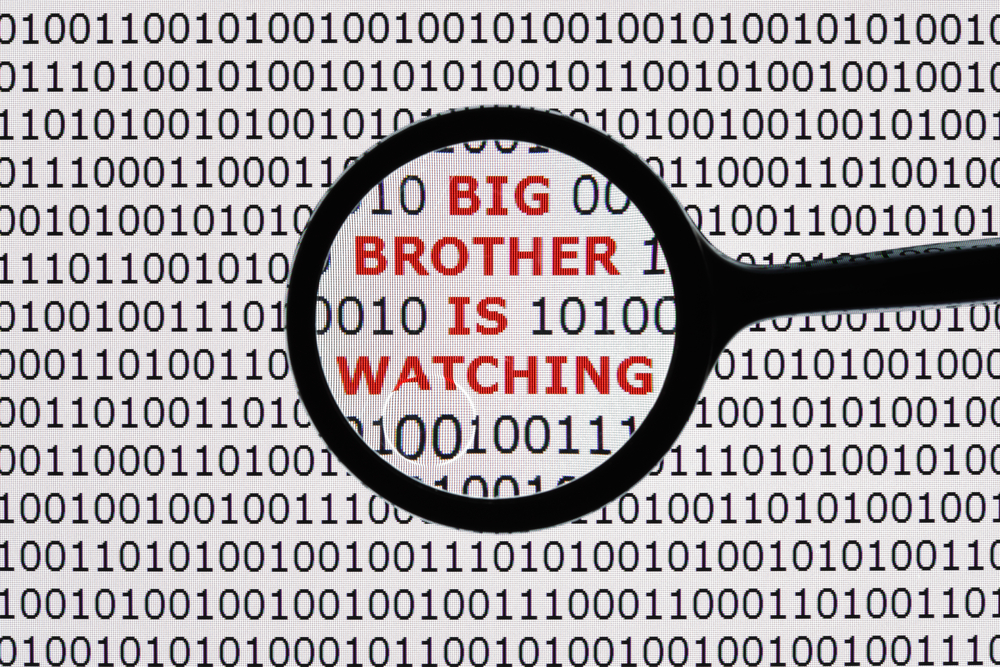
The government appears to have limitations in terms of the amount of information it can use, as evident through the Privacy Act of 1974 and the E-Government Act of 2002. However, they have also been enabling invasions of privacy in general, since they are the ones who collect the private and personal data of millions of individuals around the world.
Despite this issue, there are many things we can do to protect ourselves from invasions of our own privacy, such as using a virtual private network, also known as a VPN; however, there would have to be some changes to various preferences and settings in order to be fully secure in this scenario.

Another way to protect ourselves would be to fight back through protests. Back in February 2014, various internet users were encouraged to take a stand against the government through a protest known as "The Day We Fight Back."
The purpose of the protest in particular was to combat mass surveillance by various government agencies, such as US National Security Agency and the UK GCHQ.
At this point in time, Congress was considering the USA Freedom Act and the FISA Improvements Act, which would reduce several forms of abuse caused by the NSA and would allow for the legalization of bulk data collection of phone records.
Due to the aforementioned protests, only the USA Freedom Act was enacted, which meant that complaints were successful after lots of fighting.

Overall, invasion of privacy appears to be an issue that will stay for a very long time, but there are many ways to combat it and prevent or avoid these breaches in the first place.




No comments:
Post a Comment