Everett Rogers' Diffusion of innovations theory revolves around an explanation regarding a product or idea's momentum and diffusion throughout a certain population or social system. This theory can apply to any piece of technology and is very effective in terms of showcasing the impact of said technology.
One current instance of this scenario involves smart glasses, given that they are a piece of technology that has been developed on a constant basis for more than a decade. The descriptions in the post will describe the general purpose of the device, while also including the structure seen in the Diffusion Theory to support the following statements.

The general idea of smart glasses was first fully thought of with the creation of Google Glass in 2011. According to its patent, Google Glass was described as a "Wearable Device with Input and Output Structure," which contained a video camera, touchpad input, wireless controls, and augmented reality support, also known as AR.
In this scenario, Google was part of the Innovators section, given that it was one of the first companies to attempt to create a potential demand for smart glasses. Innovators as a whole are usually "the first to develop new ideas," meaning that they were most likely already interested in the general idea of smart glasses in the first place.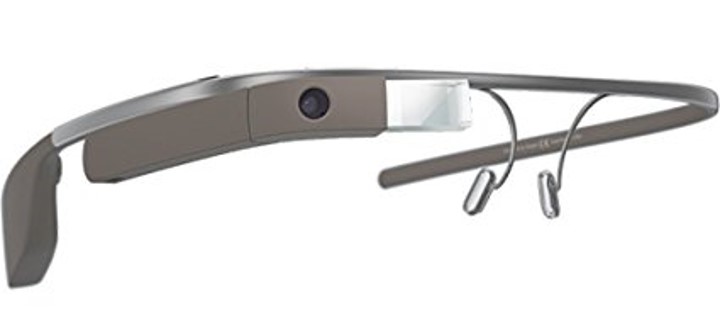
In early 2013, Google decided to release prototype versions of the devices to a select group of people known as "Explorers." Not only were the devices $1,500 each, but said "Explorers" were given special treatment while being taught how to use the products by Google employees.
In early 2013, Google decided to release prototype versions of the devices to a select group of people known as "Explorers." Not only were the devices $1,500 each, but said "Explorers" were given special treatment while being taught how to use the products by Google employees.
Because of the early access to Google Glass and the overall treatment given to them compared to other individuals, these people are most likely part of the "Early Adopters" group. However, it can also be said that they might have been part of the "Early Majority" group due to the product's fate in the future.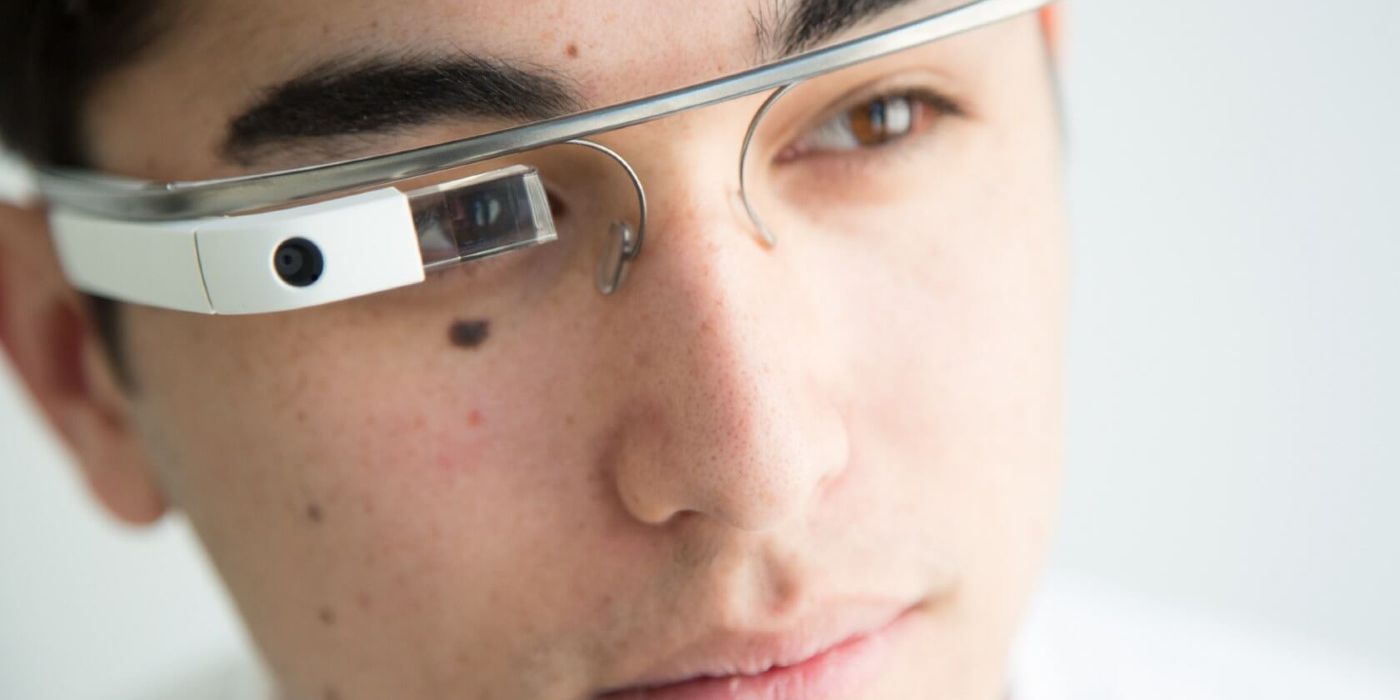
Google released the Google Glass prototype to the general public in 2014 but failed to appeal to the market due to various reasons, such as the price, the device's flaws, and the fact that other brands and companies had experimented with the smart glasses concept by the time of its release and had come upon similar issues, such as Snapchat and Meta.

The two versions showcased how the product would now appeal to the "Late Majority," since Google stated some positive factors of the product long after its initial creation in order to attract the group to potentially try and buy said product.

A year prior, Google revealed it would once again update the concept it had in mind in the past through the use of AR. The company would do so through public tests, claiming that the cameras and microphone on the new glasses would collect visual data, but not through personal means, instead stating that they could be used to translate a foreign menu or something of the sort.
The prototype was deemed a commercial failure, but Google continued to attempt to appeal to consumers with the announcement of the Glass Enterprise Edition in 2017 and the Glass Enterprise Edition 2 in 2019.
The two versions showcased how the product would now appeal to the "Late Majority," since Google stated some positive factors of the product long after its initial creation in order to attract the group to potentially try and buy said product.
Despite the company's confidence, it was announced in early 2023 that all versions of Google Glass would be discontinued on September 15th, 2023 seemingly due to low interest from consumers. However, Google had another idea in mind reg
Because of the revival of the general idea of Google's own version of smart glasses, it could be stated that those who were interested in the product at this point in time are part of the "Laggards" and "Long Tail" groups since those who are Laggards, in particular, are "the hardest group" to bring on board and those who are part of Long Tail most likely might have gotten interested in the general idea almost a decade later.
Overall, the general development of smart glasses, in addition to Google's constant push to help its concept grow and appeal to its consumers, shows how Diffusion Theory can be effective as a product's life ages.



No comments:
Post a Comment